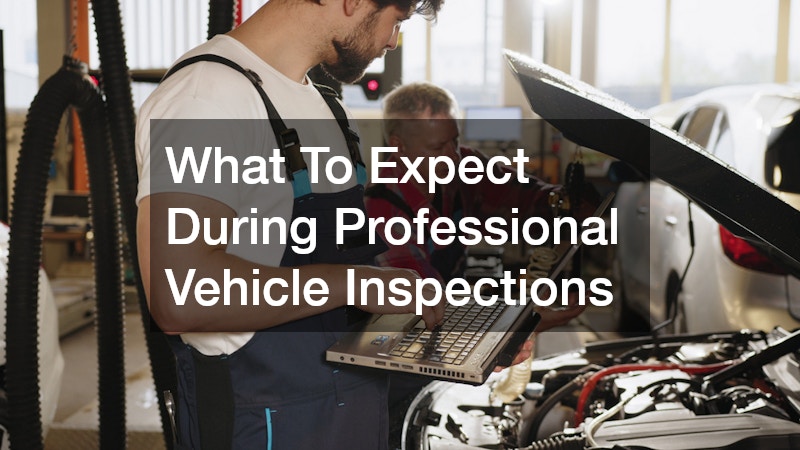
A professional vehicle inspection is one of the most important steps a driver can take to ensure safety, reliability, and long-term savings. Whether a car is brand new, a daily commuter, or a heavily used work vehicle, inspections provide a detailed look at its overall condition beyond what the eye can easily see. Many mechanical issues begin small and hidden, only becoming noticeable once they turn into costly repairs or safety risks.
A thorough inspection helps identify early warning signs, evaluate system performance, and give drivers a clear understanding of what maintenance or repairs may be needed. Instead of guessing what might be wrong, drivers receive a structured breakdown of their vehicle’s condition supported by professional tools and expertise.
In this guide, we will walk through each stage of a professional vehicle inspection so you know exactly what to expect, what questions to ask, and how to interpret the results. From initial check-in to specialized system evaluations, this breakdown will help you feel more confident and informed the next time your vehicle is inspected.
Initial Intake Process and Documentation Review
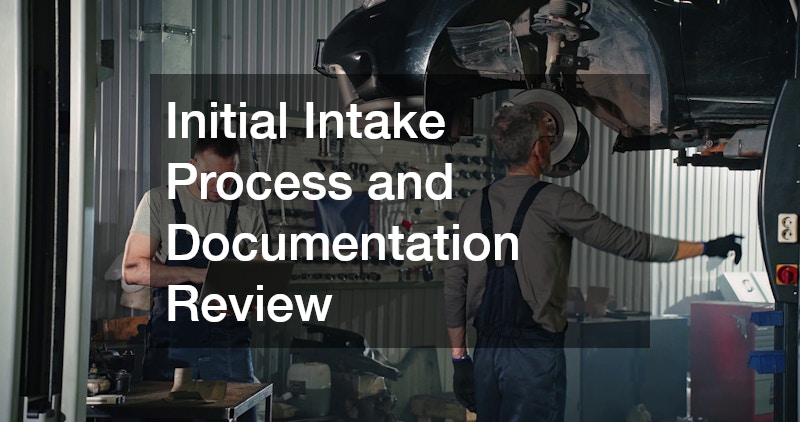
The inspection process typically begins the moment you arrive. This stage is essential because it sets the foundation for everything that follows. Technicians will gather information about your vehicle’s condition, driving history, and any concerns you may have noticed.
At this stage, many drivers visit auto repair shops, where trained staff document symptoms, listen to their concerns, and prepare the vehicle for inspection. Clear communication is important here because even small details—such as a strange vibration or an unusual noise—can help technicians focus on the right areas. In many cases, service advisors will ask follow-up questions to narrow down when the issue occurs, such as whether it occurs during acceleration, braking, or turning. They may also check whether the problem is consistent or intermittent, since that distinction can significantly affect diagnostic direction.
If the inspection is related to an accident or legal claim, an auto accident attorney may also be involved in coordinating documentation or reviewing damage reports. This is especially common when insurance claims or liability issues are involved. In these cases, detailed records and photos taken during intake can become important supporting evidence, ensuring that all parties have a clear understanding of the vehicle’s condition before repairs begin.
During intake, vehicles are often assigned a tracking number or service ticket, which helps organize all findings throughout the inspection process. This system ensures that notes, test results, and technician observations remain linked to the correct vehicle. Some facilities also take initial photos of the exterior and dashboard indicators for reference.
What happens during intake:
- Vehicle information is recorded (make, model, mileage, service history)
- Customer describes issues or concerns
- Visual walk-around to note obvious damage or wear
- Initial system checks may be performed
- A work order is created for the inspection process
Helpful tips for drivers:
- Bring all maintenance and repair records if available
- Be specific when describing symptoms (when, where, how often)
- Mention recent accidents or repairs, even if they seem minor
- Ask how findings will be documented and shared
- Request clarification on estimated timelines for inspection completion
This stage ensures technicians have a complete and accurate understanding of your vehicle before more detailed testing begins, reducing misdiagnosis and improving the overall quality of the inspection.
Mechanical Safety Systems Evaluation
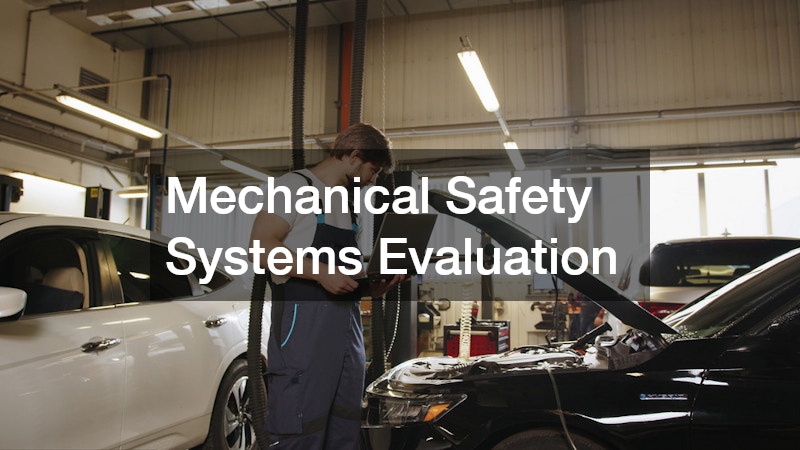
Once the initial intake is complete, the inspection proceeds to the core mechanical systems. This is where technicians focus on how safely and efficiently your vehicle operates under normal driving conditions. At this stage, the vehicle is often placed on a lift or positioned in a controlled inspection bay so that technicians can access components that are not visible during a standard walk-around.
One of the most critical areas reviewed is braking performance. Proper brake services evaluation ensures that pads, rotors, calipers, and hydraulic systems are functioning correctly. Even slight wear can affect stopping distance and overall safety, especially during emergency braking. Technicians may perform both visual inspections and physical resistance tests to assess the braking system’s responsiveness under pressure. In some cases, uneven wear patterns can indicate deeper issues, such as alignment problems or stuck calipers, that require immediate attention.
Technicians also perform an auto diagnostic scan using specialized equipment that reads the vehicle’s onboard computer. This scan helps identify hidden issues that may not be visible during a physical inspection. These systems communicate through sensors that monitor engine performance, emissions, transmission behavior, and electrical components. Even if the vehicle feels normal during driving, stored fault codes can reveal early-stage problems that have not yet triggered dashboard warning lights.
What is evaluated:
- Brake pad thickness and rotor condition
- Brake fluid levels and response time
- ABS system performance
- Engine and transmission fault codes
- Sensor and electronic system alerts
- Steering responsiveness and stability under load
Why diagnostics matter:
Modern vehicles rely heavily on computer systems. A single warning light may indicate multiple underlying issues. The auto diagnostic process helps narrow down problems quickly and accurately, saving time and preventing unnecessary repairs. It also allows technicians to prioritize repairs based on severity, distinguishing between urgent safety concerns and minor maintenance needs. Without this step, many underlying issues could go unnoticed until they become more serious and expensive to fix.
Actionable advice for drivers:
- Ask for a printed diagnostic report for your records
- Request a breakdown of brake wear levels in percentage terms
- Don’t ignore dashboard warning lights, even if the car feels fine
- Schedule brake inspections regularly if you drive in heavy traffic or hilly areas
- Ask technicians to explain any fault codes in simple terms you can understand
This stage is essential for identifying safety risks before they become serious problems and ensures that both visible and hidden mechanical issues are properly evaluated.
Structural Damage and Road Safety Assessment
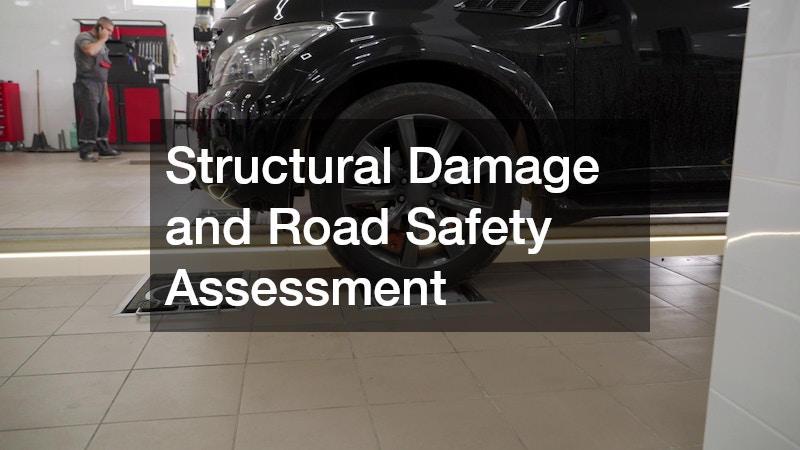
After mechanical systems are reviewed, inspectors shift their focus to the vehicle’s structural integrity and road-safety performance. This includes evaluating how well the vehicle handles stress, impacts, and everyday driving conditions. Unlike basic mechanical checks, this stage often requires more detailed measurement tools, such as frame gauges and alignment machines, to detect issues that are not immediately visible to the eye.
One major area of concern is collision repair history or damage. Even minor accidents can affect alignment, frame strength, or suspension balance. Technicians carefully inspect weld points, frame alignment, and body panel fitment to ensure everything meets safety standards. They also look for subtle signs of past repairs, such as mismatched paint, inconsistent panel gaps, or reinforced sections that may indicate previous structural work. These clues help determine whether the vehicle has fully recovered from impact or if underlying weaknesses still exist.
Tires are another critical focus. Proper tire repair evaluation includes checking tread depth, wear patterns, and pressure consistency. Uneven wear can signal deeper issues such as suspension misalignment or structural imbalance. In some cases, tire wear patterns can even help technicians identify which side of the vehicle is carrying more stress during driving, providing insight into hidden mechanical or frame problems.
Key inspection points:
- Frame alignment and structural integrity
- Evidence of previous collision damage
- Suspension condition and ride stability
- Tire tread depth and wear patterns
- Wheel balance and alignment accuracy
- Steering responsiveness under load
Common issues found:
- Uneven tire wear due to misalignment
- Hidden frame damage after minor collisions
- Loose or worn suspension components
- Incorrect tire pressure is affecting handling
- Bent or weakened structural mounting points
Helpful tips:
- Rotate tires regularly to extend lifespan
- Have alignment checked after any collision, no matter how small
- Replace tires in sets when possible for balanced performance
- Request photos of any structural concerns found during inspection
- Pay attention to pulling, drifting, or vibrations while driving
This section of the inspection is critical for ensuring the vehicle is safe to drive under all conditions and helps prevent long-term instability or unpredictable handling issues.
Exterior Protection and Customization Review
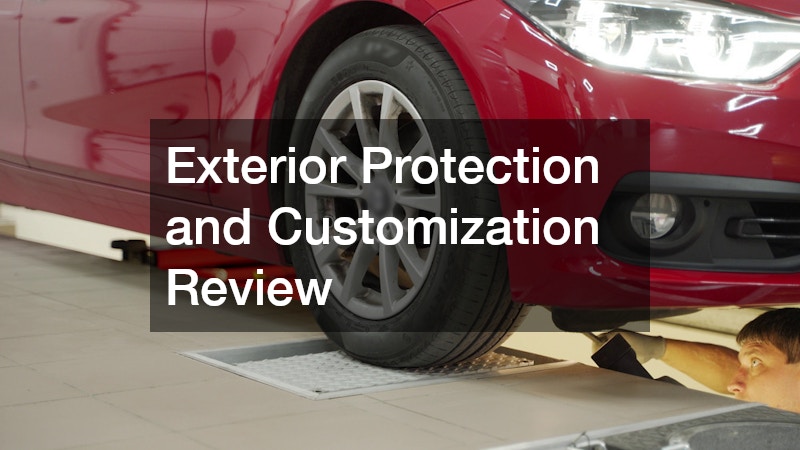
Once safety and structural systems are checked, inspectors evaluate the vehicle’s exterior condition and any aftermarket modifications. This helps determine both aesthetic condition and functional impact of upgrades. While this stage may seem cosmetic at first glance, it actually plays a significant role in long-term durability, resale value, and even safety performance.
Paint protection systems such as PPF film services are inspected for durability, adhesion, and wear. These films help protect the paint from scratches, UV damage, and road debris, but they require proper maintenance to remain effective. Technicians carefully examine edges, seams, and high-impact zones such as bumpers, hoods, and side mirrors where damage is most likely to occur. Even small imperfections in the film can allow moisture or debris to reach the paint underneath, leading to gradual deterioration over time.
If the vehicle has been modified, technicians also review truck customization services to ensure changes are safe and compliant. Modifications like lift kits, lighting upgrades, wheel spacers, or suspension changes can significantly impact handling and safety if not properly installed. Inspectors check whether modifications were completed using manufacturer-approved parts and whether torque specifications and installation guidelines were followed correctly.
What inspectors check:
- Condition of paint protection film edges
- Signs of bubbling, peeling, or discoloration
- Quality and safety of aftermarket modifications
- Proper installation of custom parts
- Impact of modifications on vehicle performance
- Compatibility of upgrades with factory systems
- Visibility and legality of lighting changes
Common findings:
- Worn or lifting protective film edges
- Non-compliant lighting or suspension modifications
- Improperly secured aftermarket accessories
- Reduced efficiency due to heavy modifications
- Uneven tire wear caused by lift or stance changes
Driver recommendations:
- Clean protective films using manufacturer-approved methods
- Have modifications installed only by certified professionals
- Ask whether upgrades affect warranty coverage
- Inspect exterior protection regularly for early signs of wear
- Recheck alignment after any major suspension modification
This step ensures that both appearance and performance enhancements are safe and effective, while confirming that customization choices do not compromise vehicle reliability or road safety.
Specialty Equipment and Utility Vehicle Inspections
Some vehicles require additional inspection focus depending on how they are used. Work trailers and recreational vehicles, for example, have unique systems that require specialized attention because they are often exposed to heavier loads, longer travel distances, and more extreme environmental conditions than standard passenger vehicles. As a result, wear and failure points can develop faster and in less obvious ways.
A local utility trailer repair inspection typically includes evaluating brakes, wiring systems, hitch connections, and load-bearing components. These systems are essential for safe hauling and must be in proper working condition. Technicians often simulate load stress or visually inspect under tension to ensure that couplers, safety chains, and axle assemblies are not showing early signs of fatigue. Even small issues like loose wiring or worn connectors can become serious hazards when towing heavy equipment or driving at highway speeds.
For recreational vehicles, RV roof repairs are a major focus of inspections. Roof systems are especially vulnerable to leaks, seal deterioration, and weather damage, which can lead to costly interior issues if not addressed early. Inspectors often check the integrity of sealant around vents, skylights, and roof edges, as these are the most common failure points over time. Moisture intrusion can also spread behind walls and ceilings before it becomes visible inside the cabin, making early detection critical.
What is inspected:
- Trailer brake and lighting systems
- Hitch strength and connection safety
- Roof seals and waterproofing integrity
- Signs of leaks or water intrusion
- Structural wear from long-term use
- Axle condition and load distribution balance
- Electrical system grounding and connectivity
Common issues:
- Corroded trailer wiring connections
- Worn brake components on utility trailers
- Roof seal cracks or separation in RVs
- Water damage in hidden interior areas
- Loose hitch assemblies are causing instability
- Uneven tire wear from overloaded trailers
Practical advice:
- Inspect trailer systems before every long trip
- Re-seal RV roofs at recommended intervals
- Store specialty vehicles under cover when possible
- Address small leaks immediately before they spread
- Periodically test trailer lights and brake response
- Avoid exceeding rated towing or weight limits
Specialty inspections help ensure that these vehicles remain safe, reliable, and functional under demanding conditions while preventing small maintenance issues from turning into costly structural failures.
A professional vehicle inspection provides a complete picture of your car’s health, from mechanical systems to structural integrity and exterior condition. By understanding what happens during each stage, drivers can make more informed decisions about maintenance, repairs, and long-term vehicle care.
Regular inspections not only improve safety but also help prevent unexpected breakdowns and expensive repairs. Staying proactive with vehicle maintenance ensures better performance, longer lifespan, and greater peace of mind every time you drive.