Introduction: Understanding Complete Vehicle Care and Upgrade Planning
Owning a vehicle today involves far more than simply driving from one place to another. Modern vehicles are complex systems that require ongoing maintenance, thoughtful upgrades, and strategic planning to ensure reliability, performance, and long-term value. Whether you rely on your vehicle for daily commuting, work-related hauling, or long-distance travel, understanding how to properly care for and enhance it is essential.
A comprehensive approach to vehicle care combines routine maintenance with targeted upgrades. Maintenance ensures that core systems such as the engine, electrical components, and safety features continue to function properly. Upgrades, on the other hand, allow you to improve comfort, convenience, and performance based on your specific needs. When these two elements are balanced effectively, drivers can extend the lifespan of their vehicles while also enhancing their overall driving experience.
One of the most important aspects of vehicle ownership is consistency. Small, routine services performed at the right time can prevent major mechanical failures and reduce long-term costs. At the same time, investing in quality accessories and system improvements can make your vehicle more functional and enjoyable to use.
Modern driving conditions have also increased the importance of adaptability. Vehicles are expected to perform in a wide range of environments, from city commuting to heavy-duty workloads and long-distance travel. This means owners must think beyond basic maintenance and consider how each system contributes to overall performance under different conditions. Even small adjustments, such as improving electrical reliability or optimizing storage solutions, can significantly impact day-to-day usability.
Another important factor is technology integration. Today’s vehicles often include advanced infotainment systems, digital diagnostics, and connectivity features that require proper understanding and maintenance. As these systems become more complex, professional support and informed decision-making become even more important for long-term reliability.
This guide provides a detailed roadmap for maintaining, upgrading, and protecting your vehicle. It covers essential services, practical improvements, and strategic planning tips that help you get the most out of your investment while avoiding common pitfalls.
Build a Reliable Maintenance Routine to Extend Vehicle Lifespan
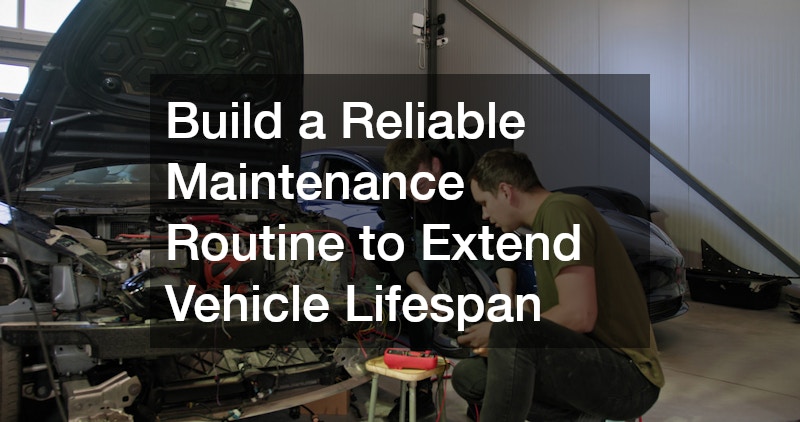
Establishing a consistent maintenance routine is one of the most effective ways to extend the life of any vehicle. Regular oil change services play a critical role in keeping the engine properly lubricated and functioning efficiently. Without proper lubrication, engine components experience increased friction, leading to premature wear and potential failure.
Drivers should follow manufacturer recommendations for service intervals, but it is also important to adjust based on driving habits. Frequent short trips, towing, or driving in extreme temperatures may require more frequent maintenance.
Key indicators that maintenance is needed include:
- Dark or dirty engine oil
- Engine knocking or unusual noises
- Reduced fuel efficiency
- Warning lights on the dashboard
Developing a routine schedule helps ensure nothing is overlooked. Consider tracking service dates and mileage to stay organized.
Best practices for maintaining engine health include:
- Checking fluid levels regularly
- Replacing filters as recommended
- Monitoring engine performance changes
- Scheduling professional inspections periodically
By staying proactive, drivers can prevent costly repairs and maintain optimal performance over time.
Upgrade Sound Quality for a Better Driving Experience
Enhancing your vehicle’s sound system can significantly improve your overall driving experience. Professional car audio services provide access to high-quality components and proper installation techniques that ensure optimal performance.
A well-designed audio system includes several key elements:
- High-quality speakers for clear sound output
- Amplifiers to boost signal strength
- Subwoofers for deep bass response
- A modern head unit with advanced connectivity features
When upgrading, it is important to consider compatibility with your vehicle’s electrical system. Poor installation can lead to performance issues or even damage components.
Benefits of professional installation include:
- Proper wiring and system integration
- Balanced sound tuning for clarity and depth
- Reduced risk of electrical interference
- Long-term reliability and durability
Investing in a quality audio system transforms everyday driving into a more enjoyable and immersive experience.
Protect Your Truck Bed from Weather and Wear

Truck owners rely on their vehicles for both work and recreation, making cargo protection essential. Truck bed covers and truck tarps provide effective solutions for shielding cargo from weather, debris, and theft.
Different types of covers offer varying levels of protection:
- Hard covers provide maximum security and durability
- Soft covers offer flexibility and ease of use
- Tarps are lightweight and cost-effective for temporary protection
Choosing the right option depends on how the truck is used. For example, frequent hauling may require a more flexible solution, while long-term storage benefits from more secure options.
Advantages of protecting the truck bed include:
- Preventing rust and corrosion
- Reducing wear and tear on cargo
- Improving fuel efficiency by reducing drag
- Enhancing overall vehicle appearance
Proper installation and maintenance ensure these protective solutions perform effectively over time.
Enhance Storage and Versatility for Work and Travel
For those who need additional storage and protection, a camper shell is a valuable addition to any truck. It transforms the open bed into a secure, enclosed space that can be used for tools, equipment, or travel gear.
When selecting a shell, consider:
- Material durability and weight
- Window and ventilation options
- Accessibility features such as lift-up panels
- Compatibility with existing accessories
Customization options allow users to tailor the interior for specific needs, such as shelving systems or sleeping arrangements for camping.
Benefits include:
- Increased security for valuable items
- Protection from weather conditions
- Improved organization and efficiency
- Versatility for both work and leisure use
A well-chosen shell enhances the functionality of a truck while maintaining convenience and accessibility.
Choose the Right Accessories for Function and Performance
Working with a reputable truck accessory company ensures that upgrades are both functional and compatible with your vehicle. Accessories should enhance performance and usability without compromising safety or reliability.
Popular upgrades include:
- Lighting systems for improved visibility
- Storage solutions for tools and equipment
- Performance enhancements for towing and hauling
- Interior upgrades for comfort and convenience
When selecting accessories, consider long-term durability and ease of installation. Avoid low-quality products that may fail prematurely or cause compatibility issues.
Tips for making smart upgrade decisions:
- Research product reviews and specifications
- Verify compatibility with your vehicle model
- Consider professional installation for complex upgrades
- Plan upgrades in phases to manage costs
Investing in quality accessories ensures that your vehicle remains reliable and efficient.
Prepare for Roadside Emergencies with the Right Support
Unexpected breakdowns can happen at any time, making it essential to have access to a reliable towing company. Professional roadside assistance ensures that help is available when you need it most.
Situations that may require towing include:
- Engine failure or overheating
- Flat tires without a spare
- Electrical system malfunctions
- Accidents or collisions
Choosing a dependable service provider involves evaluating response times, service coverage, and reputation.
Safety tips during a roadside emergency:
- Move the vehicle to a safe location if possible
- Turn on hazard lights
- Stay inside the vehicle in high-traffic areas
- Provide clear information when requesting assistance
Being prepared reduces stress and ensures a quicker resolution during unexpected situations.
Diagnose and Fix Electrical Issues Before They Worsen
Modern vehicles rely heavily on complex electrical systems. Car electrical repairs are essential for maintaining functionality and preventing system failures.
Common electrical issues include:
- Dead or weak batteries
- Faulty alternators
- Malfunctioning sensors
- Wiring problems
Early diagnosis is critical. Ignoring small issues can lead to larger, more expensive repairs.
Preventative measures include:
- Regular battery testing
- Inspecting wiring for damage
- Addressing warning lights promptly
- Scheduling professional diagnostics when needed
Maintaining electrical systems ensures reliable performance and reduces the risk of unexpected breakdowns.
Make Smarter Decisions When Buying a Vehicle

Purchasing from a used auto dealership can be a cost-effective way to acquire a reliable vehicle. However, careful evaluation is necessary to ensure a good investment.
Key considerations include:
- Reviewing vehicle history reports
- Inspecting for signs of wear or damage
- Verifying maintenance records
- Taking a thorough test drive
Benefits of buying used include lower depreciation and potential cost savings.
To avoid common pitfalls:
- Work with reputable dealerships
- Ask detailed questions about the vehicle
- Consider certified pre-owned options
- Compare multiple vehicles before deciding
Making informed decisions helps ensure long-term satisfaction and reliability.
Adapt Your Vehicle for Modern Energy Needs
As electric vehicles become more common, installing a home car charging station offers convenience and efficiency. Home charging allows drivers to maintain battery levels without relying solely on public stations.
Important factors to consider include:
- Compatibility with your vehicle
- Installation requirements and electrical capacity
- Charging speed and efficiency
- Safety features and certifications
Benefits of home charging:
- Reduced reliance on public infrastructure
- Lower long-term energy costs
- Increased convenience for daily use
- Ability to charge overnight
Planning for future energy needs ensures that your vehicle remains practical and efficient.
In addition to installation, homeowners should also evaluate their household electrical panel capacity to ensure it can handle sustained charging loads without overloading circuits. In some cases, upgrading the panel or adding a dedicated circuit may be necessary to support safe and consistent charging performance. It is also important to consider placement of the charging unit for ease of access, weather protection, and cable management. Smart charging systems can further improve efficiency by scheduling charging during off-peak energy hours, reducing utility costs over time. As vehicle technology continues to evolve, having a flexible and scalable charging setup ensures long-term compatibility with future models and charging standards.
Combine Maintenance and Upgrades for Maximum Efficiency
Balancing maintenance and upgrades allows drivers to maximize vehicle performance and longevity. Coordinating these efforts ensures that improvements complement existing systems.
Effective strategies include:
- Scheduling upgrades during routine service appointments
- Prioritizing essential maintenance before modifications
- Tracking performance improvements over time
- Avoiding modifications that interfere with core systems
A well-planned approach reduces downtime and improves overall efficiency.
Another important consideration is sequencing. Performing upgrades in the correct order prevents rework and ensures that new components integrate properly with existing systems. For example, addressing mechanical or electrical issues before installing aftermarket accessories helps avoid compatibility problems later. It is also beneficial to maintain detailed service records, as this allows drivers to understand how each upgrade impacts performance over time. Consulting with professionals before making significant modifications can further reduce risks and ensure that changes align with manufacturer specifications. When maintenance and upgrades are strategically aligned, the vehicle becomes more reliable, efficient, and tailored to long-term driving needs.
Prevent Costly Repairs Through Consistent Inspections
Routine inspections help identify potential issues before they escalate. Regular checks ensure that all systems remain in good working condition.
Inspection checklist:
- Fluid levels and leaks
- Tire condition and pressure
- Brake performance
- Electrical system functionality
Benefits of regular inspections include:
- Early detection of problems
- Reduced repair costs
- Improved safety and reliability
- Extended vehicle lifespan
Consistency is key to maintaining a dependable vehicle.
To further enhance inspection effectiveness, drivers should also pay attention to subtle changes in vehicle behavior, such as unusual vibrations, delayed starts, or changes in fuel efficiency. These early warning signs often indicate developing issues that may not yet trigger dashboard alerts. Seasonal inspections are also highly beneficial, as temperature changes can affect tire pressure, battery performance, and fluid viscosity. Keeping a structured inspection schedule—whether monthly or quarterly—ensures that small issues are addressed before they develop into costly repairs. Over time, this disciplined approach significantly improves long-term vehicle reliability and reduces unexpected breakdown situations.
Budgeting for Vehicle Maintenance, Repairs, and Upgrades
Financial planning is essential for managing vehicle-related expenses. Without a clear budget, costs can quickly become overwhelming.
Smart budgeting strategies include:
- Setting aside funds for routine maintenance
- Planning for unexpected repairs
- Prioritizing essential services
- Comparing service providers for cost efficiency
Tracking expenses helps maintain control and ensures that resources are used effectively.
Conclusion: Maintaining a Reliable, Efficient, and Customized Vehicle
A well-maintained and thoughtfully upgraded vehicle is more than just a mode of transportation—it is a long-term investment in safety, efficiency, and personal convenience. When owners take a proactive approach to maintenance and upgrades, they significantly reduce the likelihood of unexpected breakdowns and costly repairs. At the same time, they create a driving experience that is more comfortable, reliable, and tailored to their specific needs.
One of the most important lessons in vehicle ownership is that consistency matters more than intensity. Regular inspections, timely service intervals, and early attention to small issues help prevent major system failures. Whether it is engine care, electrical system monitoring, or accessory maintenance, each component plays a role in overall performance.
Equally important is the ability to adapt your vehicle over time. Needs change as driving habits evolve, whether that means adding storage solutions for work, upgrading entertainment systems for long commutes, or improving charging capabilities for modern energy demands. Thoughtful upgrades ensure that your vehicle continues to meet those changing requirements without sacrificing reliability.
Financial planning also plays a critical role. Vehicles involve ongoing costs, and those who budget for maintenance, repairs, and upgrades are better prepared for both expected and unexpected expenses. This approach reduces stress and allows for more strategic decision-making rather than reactive spending.
Technology continues to reshape how vehicles are maintained and improved. From diagnostic tools to smart charging systems and advanced accessories, modern solutions provide greater control and efficiency than ever before. However, these advancements still rely on proper maintenance and informed usage to deliver their full benefits.
Ultimately, a successful vehicle ownership strategy is built on balance. Maintenance preserves performance, upgrades enhance functionality, and planning ensures sustainability. When all three are managed together, the result is a vehicle that remains dependable, efficient, and enjoyable for many years, no matter how driving needs evolve over time.