
The moments and hours right after a car crash feel chaotic, but the decisions you make in that window can shape your health, your finances, and your legal standing for months to come. Insurance claims move fast, evidence disappears, and injuries that seem minor can turn serious if ignored. Knowing exactly what to do, who to call, and when to act removes the guesswork at the worst possible time. This guide walks through the critical first 48 hours so you can protect yourself, your vehicle, and your recovery.
Document the Scene Before You Leave

What you capture in the first few minutes at the crash site often becomes the backbone of any future claim or dispute. Photos of vehicle positions, skid marks, traffic signals, and license plates create a timeline that memory alone cannot preserve. Weather conditions and road hazards can also explain how the collision happened, so include wide shots as well as close-ups.
- Photograph all vehicles from multiple angles, including damage close-ups
- Capture license plates, street signs, and intersection layouts
- Note the time, weather, and lighting conditions
- Get contact and insurance information from every driver involved
- Ask nearby witnesses for their names and phone numbers
Call the Police and Request an Official Report
Even in minor fender benders, having an officer document the scene adds a layer of credibility that self-reported accounts cannot match. A police report includes badge numbers, statements, and sometimes preliminary fault assessments that carry weight later. Skipping this step because the damage looks small is a common mistake that can come back to hurt you when a claim is disputed, which is why car accident attorneys often stress the importance of getting a report filed regardless of how the collision appears at first glance.
Request a copy of the report number before the officer leaves, since you will need it when filing paperwork. Most departments make the full report available within a few business days, either online or at the station. Keep this number somewhere accessible, because you will likely reference it multiple times over the following weeks.
Get Checked at an Urgent Care Center Even If You Feel Fine
Adrenaline masks pain remarkably well, and injuries like whiplash, concussions, or soft tissue damage often don’t show symptoms until a day or two later. Visiting an urgent care center within the first 24 hours creates a medical record that ties your condition directly to the crash. Waiting too long to seek treatment gives insurance companies an opening to argue that your injury was unrelated or less serious than claimed.
Beyond the legal benefit, prompt evaluation simply protects your health. A quick exam can catch internal issues that aren’t visible from the outside, and early treatment often shortens recovery time considerably. Bring any paperwork from the scene with you so the medical staff can note the accident details accurately.
Notify Your Insurance Company Within the First Day

Most policies require prompt notification, often within 24 to 72 hours, and delaying the call can complicate or even jeopardize your claim. Some insurers have been known to deny coverage entirely if they determine the delay prevented them from properly investigating the accident. Set a reminder to call the same day if possible, even if you’re still at the scene or sitting in urgent care.
When you speak with your provider, stick to the facts: what happened, where, and who was involved, without speculating about fault. Have your policy number, the other driver’s insurance details, and the police report number ready if you have them. Avoid phrases like “I think it was my fault” or “I probably should have braked sooner,” since these statements can end up in the claim file and be used against you later.
Reaching out to local auto insurance representatives who understand regional traffic laws and repair networks can also speed up the process compared to a generic national hotline. Local agents often know which body shops in your area have the fastest turnaround times and which adjusters typically handle claims in your county. They can also flag state-specific requirements, like no-fault rules or mandatory waiting periods, that a call center rep in another state might overlook entirely.
Call your insurance company as soon as possible after the crash, even if you believe the accident was minor or partly your fault. Most policies require “prompt notice,” and waiting too long can give the insurer grounds to delay or deny your claim. A same-day or next-day call is always the safer bet.
Keep a written log of every call, including the date, time, and the name of the representative you spoke with. This record becomes useful if there’s ever a disagreement about what was said or promised. Save your claim number, too, and reference it in every follow-up conversation or email.
Ask directly about rental car coverage, deductible amounts, and how long the claims process typically takes, so you know what to expect. Find out whether you need pre-approval before renting a car, and what the daily reimbursement cap is. It’s also worth asking whether your policy covers towing, storage fees, or a diminished value claim if your car loses resale value after repairs.
Finally, confirm what documentation the adjuster needs from you upfront, such as photos, the police report number, or repair estimates. Getting this list early can shave days off the process and reduce the back-and-forth that often stalls claims.
Understand What Your Adjuster and Agent Actually Do
Many people confuse the roles of the people handling their claim, which leads to frustration when expectations don’t match reality. Auto insurance agents typically help you understand your policy, coverage limits, and how to file paperwork correctly, while adjusters are the ones who evaluate damage and determine payout amounts. Knowing who to call for which issue saves time and prevents miscommunication during an already stressful period.
- Agents can clarify coverage details and answer policy questions
- Adjusters inspect damage and estimate repair or replacement costs
- Claims representatives often manage the overall file and paperwork
- Ask early which person is your main point of contact
- Request everything in writing when possible to avoid confusion
Choose a Repair Facility That Matches Your Vehicle’s Needs
Not every shop is equipped to handle every type of damage, so matching the facility to your vehicle matters more than picking the closest option. A reputable body shop can handle frame straightening, paint matching, and cosmetic repairs, but specialized issues sometimes require a different set of skills. If your vehicle runs on diesel and the crash affected the engine or fuel system, you’ll want a facility experienced in diesel repair rather than a general collision center.
Ask any shop you’re considering about their certifications, warranty on repairs, and whether they work directly with insurance companies to streamline the estimate process. A trustworthy body shop should be willing to walk you through the damage and explain what’s being replaced versus repaired, including how the repair plan affects your car’s resale value. Getting a second opinion is reasonable, especially for higher-cost repairs where estimates can vary significantly between shops.
- Verify manufacturer certifications for your vehicle’s make
- Ask about warranty terms on parts and labor
- Confirm whether they handle insurance billing directly
- Request a written estimate before authorizing any work
- Check reviews specifically related to collision repair quality
Decide Whether You Need Legal Representation

Not every accident requires a lawyer, but certain situations make legal guidance almost essential. If injuries are significant, fault is disputed, or the other driver is uninsured, consulting a car accident lawyer early can prevent costly mistakes in how you communicate with insurers. An auto accident lawyer can also help calculate the true value of your claim, factoring in lost wages, future medical costs, and pain and suffering that are easy to overlook when negotiating alone.
Many firms offer free initial consultations, so there’s little downside to at least having a conversation before deciding how to proceed. Bring your police report, photos, and medical records to that first meeting so they can give you a realistic assessment. Acting within the first week is ideal, since evidence and witness memories fade quickly as time passes.
- Look for representation with a proven track record of handling cases similar to yours
- Ask about contingency fee arrangements before signing anything
- Bring all documentation to your first consultation
- Clarify how communication with insurers will be handled going forward
Address the Emotional Aftermath, Not Just the Physical
Crashes leave psychological marks that are easy to dismiss but can affect daily life for months afterward, from anxiety behind the wheel to trouble sleeping. Pursuing car accident therapy alongside physical treatment gives you tools to process the event rather than suppress it. Many people are surprised to learn that mental health treatment related to a crash can be included as part of a broader injury claim.
Signs of lingering trauma include avoiding driving altogether, flashbacks to the moment of impact, or unexplained irritability in the weeks following the accident. Talking to a therapist early, even briefly, tends to prevent these symptoms from becoming long-term problems. Don’t treat emotional recovery as optional just because the injuries aren’t visible on an X-ray.
- Watch for anxiety, avoidance, or sleep disruption after the crash
- Ask your doctor for a referral to a licensed trauma counselor
- Keep records of therapy sessions for potential claim documentation
- Give yourself permission to address mental recovery, not just physical
Track Every Expense and Follow Up Consistently
The 48-hour window sets the tone, but the days that follow require just as much diligence. Save every receipt related to towing, medication, transportation, and repairs, since these add up quickly and support your claim’s full value. Rideshare receipts from trips to medical appointments, over-the-counter pain relievers, and even mileage driven to and from the pharmacy or physical therapy can all be documented and factored into your claim.
Keep a simple log or folder — physical or digital — where you drop in every receipt the moment you get it, rather than trying to reconstruct expenses weeks later from memory. Photograph paper receipts immediately, since thermal printouts fade fast and become unreadable within a few weeks.
Set calendar reminders to follow up with your insurer, medical providers, and repair shop so nothing slips through the cracks during a busy week. A three-day check-in on your claim status, a one-week call to confirm the repair estimate was received, and a two-week follow-up on any pending medical bills can prevent small delays from snowballing into major gaps in your case. Keep a written record of who you spoke with, the date, and what was said, since these notes often matter more than people expect if a dispute arises later.
Organizing these details from the start prevents scrambling later when a claims adjuster asks for proof of expenses you’ve forgotten about. A simple folder, physical or digital, dedicated entirely to the accident keeps everything in one place. This habit alone can make the difference between a smooth resolution and a drawn-out dispute.
Start tracking costs the day of the crash, not weeks later when memory has already faded. Save receipts for towing fees, rental cars, rideshares to work, prescription co-pays, and even parking at the auto body shop for estimates. Keep a running log with dates and dollar amounts, since insurers often want a clear timeline showing when each expense occurred and why it was necessary.
Don’t overlook the smaller, easy-to-forget costs either: over-the-counter pain medication, mileage driven to medical appointments, or a replacement car seat if one was damaged. It also helps to get a written estimate from an auto body mechanic early on, since that document often becomes a key reference point for both repair costs and negotiations with the adjuster. These add up and are legitimate reimbursable expenses in many claims, but only if you can document them.
Follow-up matters just as much as documentation. Call your insurance adjuster every few days for an update, note who you spoke with and when, and send a brief confirmation email afterward summarizing the conversation. This creates a written record that protects you if details get lost or disputed down the line, and it signals that you’re actively engaged rather than an easy claim to delay.
Take Control After a Crash: Start Your Recovery Journey Today!
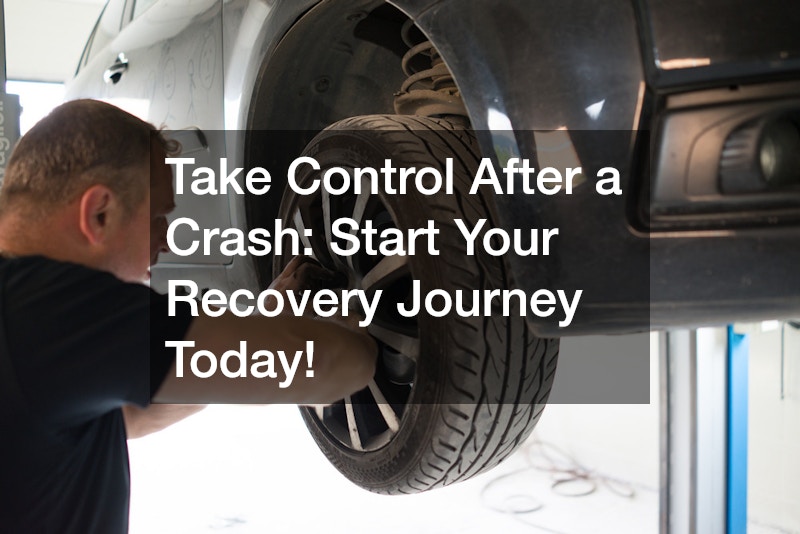
The first 48 hours after a crash may feel overwhelming, but a clear, methodical approach protects your health, your wallet, and your peace of mind. Document everything, get evaluated quickly, notify the right people, and don’t hesitate to bring in professional help when the situation calls for it. Taking these steps early puts you in control of the outcome rather than leaving it to chance. Start now by creating your documentation folder and making that first phone call.