
Experiencing a motor vehicle collision is an unsettling event that leaves drivers dealing with stress, paperwork, and uncertainty. Once everyone involved is safe and the immediate emergency procedures are handled, attention naturally turns toward restoring your vehicle to its pre-crash state. Navigating the aftermath of a collision involves understanding insurance processes, choosing qualified technicians, and recognizing which components of your automobile require specialized care. Bringing a damaged vehicle back to life requires patience, clear communication, and an organized approach to assessing both functional and structural components.
Getting your vehicle back on the road safely isn’t just about restoring its appearance; it is about protecting your financial investment and ensuring structural safety. Beneath a crumpled bumper or a minor dent, complex mechanical systems and delicate electronics may have suffered severe stress. Making informed choices throughout the restoration process ensures that your transportation remains reliable for years to come. By understanding what to expect from assessment to final inspection, you can navigate every phase of the restoration process with confidence and clarity.
Assessing the Initial Damage
Conducting a Visual Walkaround
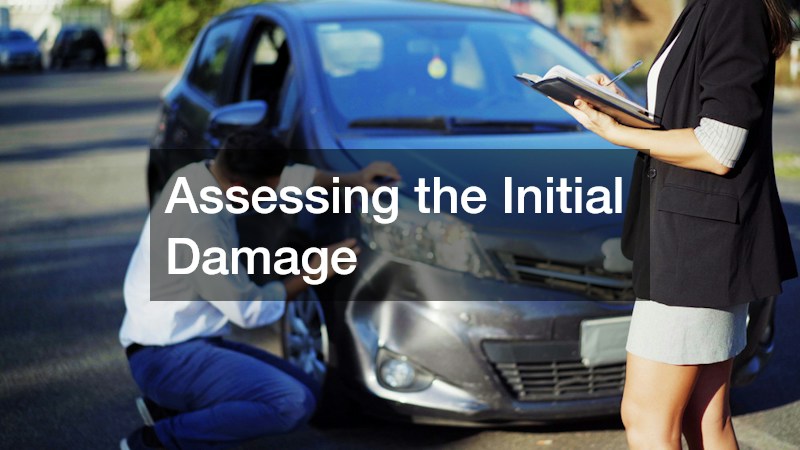
Before moving your vehicle or agreeing to tow services, take time to carefully inspect the exterior and interior damage if it is safe to do so. Look closely at body panels, glass, light fixtures, and fluid levels underneath the chassis. Take clear photographs from multiple angles to document the precise condition of the automobile immediately following the event. When communicating with auto service providers, having these visual records will help establish a clear timeline of the damage and prevent disputed claims later on.
Documenting Mechanical Issues
In many cases, the most critical damage remains hidden beneath the bodywork. Listen for unusual sounds when starting the vehicle, such as rattling, grinding, or squealing. Note any dashboard warning lights, alignment pulls, or changes in pedal responsiveness. Communicating these subtle changes to skilled auto mechanics gives them a baseline for diagnostic testing, ensuring that underlying mechanical or electrical failures are not overlooked during initial estimates.
Evaluating Under-the-Hood Components
Impact forces frequently push exterior components inward, compressing sensitive equipment housed inside the engine bay. Inspect the radiator, air intake box, battery casing, and auxiliary cooling lines for visible cracks or leaking fluids. Even slight deformation in these parts can cause severe engine overheating or complete electrical system shutdown down the road. Highlighting these observations early helps technicians prioritize essential mechanical fixes alongside aesthetic sheet metal repairs.
Checking Fluid Integrity and Leaks
Vehicle collisions can rupture delicate hoses, break seals, or puncture fluid reservoirs instantly. Check the ground beneath the vehicle for pooling engine oil, transmission fluid, coolant, or brake fluid. Running an engine with insufficient fluid levels can cause catastrophic damage within minutes of operation. Identifying these fluid loss points immediately prevents further internal degradation while your vehicle sits in storage awaiting insurance adjusters.
Examining Exhaust and Undercarriage Damage
The undercarriage often takes the brunt of hidden impact damage during an accident, especially if your car went over a curb, debris, or rough terrain. Inspect the exhaust pipes, catalytic converter, muffler, and heat shields for bends, scrapes, or deep dents. A crushed exhaust system creates dangerous backpressure on the engine and may leak hazardous fumes into the cabin. Ensuring the entire undercarriage is thoroughly examined protects both engine efficiency and passenger health.
Understanding Insurance and Legal Protections

Managing Insurance Claims
Filing a claim requires accurate information and prompt communication with your insurance provider. Present all photographic evidence, police reports, and detailed descriptions of the event. Keep written records of every conversation, including the name of the representative, the date, and the specific guidance provided. Staying organized speeds up claim processing and helps ensure that all necessary work is fully approved before technicians begin labor.
Knowing Your Legal Rights
If the incident involved injuries, complex liability disputes, or severe financial losses, seeking professional legal advice can be essential. Consulting experienced car accident lawyers helps clarify your rights regarding vehicle replacement values, personal injury claims, and fair compensation. These legal professionals handle negotiations with insurance companies so that you can focus on personal recovery and getting your vehicle fixed properly.
Navigating Complex Liability Scenarios
In situations where fault is contested or multiple vehicles are involved, having dedicated legal representation is invaluable. Knowledgeable car accident attorneys work to protect your interests, gather necessary evidence, and ensure that insurance companies do not unfairly deny valid damage claims. Their guidance ensures that repair estimates reflect the true cost of bringing your vehicle back to safe operating condition.
Dealing with Specialized Legal Circumstances
If the incident involved driver impairment or severe traffic violations, legal complexities escalate quickly. Consulting qualified dui attorneys can help you understand the legal ramifications and how they might affect insurance coverage or liability assessments. Understanding these factors allows you to make informed decisions about how to proceed with both your legal defense and vehicle recovery.
Selecting Qualified Professional Facilities

Evaluating Facility Credentials
Not all facilities offer the same quality of work or equipment. Look for facilities certified by industry organizations such as ASE (Automotive Service Excellence) or I-CAR. Certified technicians undergo rigorous training to stay updated on modern vehicle construction, high-strength metals, and safety technology. Choosing reputable auto repair shops ensures that your vehicle is handled by individuals who follow manufacturer-approved standards.
Comparing Estimates and Warranties
Always obtain written estimates from multiple certified facilities before authorizing major work. A detailed estimate should itemize parts, labor hours, paint materials, and diagnostic fees. Additionally, ask about warranty coverage on both parts and labor. Reputable facilities stand behind their work with clear written warranties, providing long-term peace of mind that the work was completed correctly.
Checking Equipment Standards and Technology
Modern automobile restoration demands sophisticated diagnostic tools, computerized frame alignment racks, and advanced paint booths. Inquire whether prospective facilities utilize computerized scan tools capable of communicating with your specific vehicle brand. Advanced facilities invest heavily in modern technology, ensuring that structural tolerances, electronic systems, and paint finishes match original factory quality down to the millimeter.
Addressing Structural and Body Restoration

Restoring Frame Integrity
Modern vehicles utilize unibody construction designed to absorb impact energy during a crash. When structural components bend or shift, specialized equipment is required to measure and pull the frame back to factory specifications. Certified facilities use laser measuring systems to ensure the chassis is completely straight, as even minor misalignments can compromise handling, tire wear, and crash safety in future impacts.
Executing Paint and Panel Work
Once structural alignment is verified, technicians turn their attention to external body panels and paint. Damaged panels may be repaired using specialized metal-shaping tools or replaced entirely with original equipment manufacturer parts. Paint matching requires computerized mixing techniques to match your vehicle’s exact color code, clear coat finish, and natural aging pattern, resulting in a seamless visual finish.
Handling Comprehensive Collision Work
Severe impacts often require extensive component replacement, structural realignments, and electronic recalibrations. Facilities specializing in complete auto collision repairs possess the heavy machinery, paint booths, and diagnostic tools necessary to manage these complex projects. Relying on specialized facilities ensures that every safety feature, from crumple zones to airbag sensors, functions exactly as designed.
Maintaining Wheels, Tires, and Suspension
Correcting Wheel Misalignment and Damage
Impacts with curbs, other vehicles, or road debris often transmit severe force directly through the wheels. Bent rims, cracked metal, or cosmetic scraping require immediate attention to prevent air leaks and dangerous vibrations at highway speeds. Seeking professional wheel repairs ensures that structural cracks are safely welded and bent rims are straightened using specialized hydraulic equipment.
Restoring Rim Aesthetics and Balance
Even minor curb rash or light scraping can ruin the appearance of an otherwise fully restored automobile. Utilizing local wheel reconditioning services allows you to restore the original finish, color, and smooth surface of your alloy rims locally without the expense of purchasing entirely new sets. This process blends, refinishes, and balances the rims, making them look brand new while ensuring true rotation.
Evaluating Tire Condition
Tires suffer significant stress during a crash, including sudden deflation, sidewall tears, or severe flat spots from sudden braking. Inspect every tire thoroughly for hidden bulges or tread separation. Replacing damaged tires promptly is critical to maintaining traction, handling, and braking safety on wet or dry roads.
Considering Cost-Effective Tire Options
Replacing a full set of tires after an unexpected incident can be a major financial burden. If your budget is tight, searching for quality used tires for sale can offer a practical, affordable temporary solution. Ensure that any pre-owned tire is carefully inspected for adequate tread depth, even wear patterns, and an absence of internal patch repairs or sidewall cracks before installation.
Inspecting Steering and Suspension Components
Side impacts or harsh curb strikes frequently bend control arms, tie rods, struts, and sway bar links. Damaged suspension components lead to severe steering instability, uneven tire degradation, and unsafe handling during high-speed maneuvers. Have technicians perform a complete four-wheel alignment check to verify that all suspension geometry matches original factory specifications.
Restoring Electronics and Safety Systems
Recalibrating Driver Assistance Sensors
Modern vehicles rely heavily on Advanced Driver Assistance Systems (ADAS), including radar sensors, cameras, and ultrasonic sensors embedded in bumpers, windshields, and grilles. Even minor body adjustments require these systems to be recalibrated. Proper calibration ensures that features like automatic emergency braking, lane departure warnings, and adaptive cruise control function accurately.
Inspecting Airbags and Restraints
If airbags deploy during an impact, the entire restraint system requires comprehensive replacement. This includes airbag modules, seatbelt pretensioners, impact sensors, and steering column components. Only trained technicians should handle these explosive components, as improper installation can cause accidental deployment or system failure during a future collision.
Clearing Diagnostic Trouble Codes
Vehicles store error codes within onboard computer modules whenever crash events, sensor disconnections, or electrical disruptions occur. Technicians must perform full electronic system scans to identify and resolve these hidden error codes before returning the vehicle to you. Clearing these warnings confirms that all safety computers, engine management software, and comfort features operate without glitching.
Verifying Battery and Electrical Harness Integrity
Collision forces can crack battery casings, loosen terminal connections, or pinch wiring harnesses hidden within the body structure. Damaged harnesses can lead to intermittent electrical shorts, dead batteries, or non-responsive accessories weeks after initial repairs are completed. Requiring a dedicated inspection of main power cables and body harnesses prevents frustrating electrical bugs later.
Conducting Final Inspections and Maintenance
Performing a Comprehensive Test Drive
Before accepting your vehicle back from the facility, conduct a thorough test drive alongside a service manager or lead technician. Drive on both local streets and highways to check for unusual vibrations, strange noises, or steering drift. Test all electrical controls, including power windows, lights, air conditioning, and dashboard displays, to ensure everything operates smoothly.
Reviewing Completed Work Orders
Take time to carefully read through the final invoice and work order. Verify that all approved repairs were executed, all requested parts were installed, and any safety checks were fully documented. Keep these records organized in your glove box or home filing system, as complete service documentation protects your vehicle’s resale value and supports any future warranty claims.
Maintaining Long-Term Vehicle Care
Once your vehicle is back in your garage, establish a consistent routine of inspection and preventative care. Monitor tire pressure, check fluid levels weekly, and keep an eye out for any paint cracking or corrosion around repaired areas. Diligent maintenance ensures that your automobile remains safe, efficient, and visually appealing for many miles ahead.
Final Thoughts on Vehicle Recovery
Restoring an automobile after a significant collision involves a careful balance of mechanical expertise, financial planning, and patient oversight. By understanding each phase of the assessment and rebuild process, you protect both your investment and your personal safety. Working with certified professionals, documenting every detail, and verifying structural integrity ensures that your vehicle returns to the road in optimal condition. With the right approach, clear communication, and attention to detail, you can turn a stressful event into a smooth, successful recovery for your vehicle.