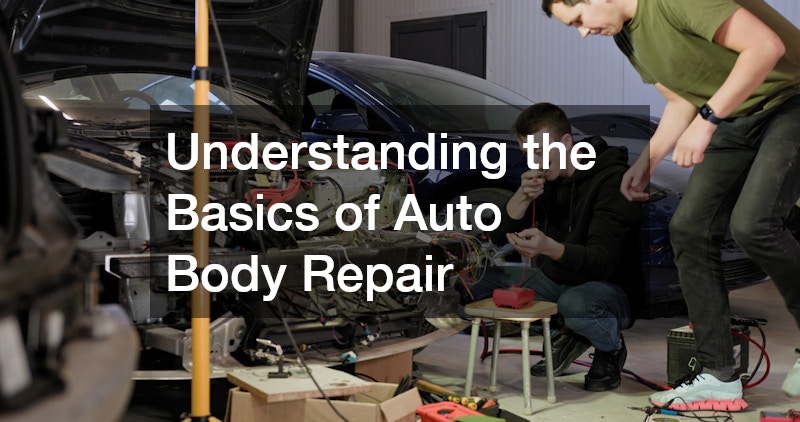
When it comes to vehicle maintenance and collision recovery, learning the fundamentals of autobody repairs can save drivers time, money, and confusion. Whether you’ve experienced a minor scrape or a more serious collision, knowing what happens behind the scenes helps you make better decisions when working with a professional service or visiting a GMC dealership for repair guidance or estimates. Auto body repair is not just about fixing dents—it’s about restoring safety, structure, and appearance.
At its core, auto body repair refers to the process of restoring a vehicle’s exterior and structural components after damage. This can include anything from scratches and dents to full panel replacement or frame realignment. According to industry explanations, the process typically involves assessment, disassembly, repair, refinishing, and reassembly to return the vehicle to pre-damage condition. Understanding this flow is important because many drivers only see the surface-level repair, not the detailed work that ensures long-term safety and performance.
One of the first steps in any repair process is damage assessment. Technicians carefully inspect the vehicle to identify both visible and hidden issues. Even a small impact can affect internal structures or alignment. In many cases, parts must be removed to fully understand the extent of the damage before repairs can begin. This stage is crucial because skipping it can lead to incomplete repairs and future problems.
Once the damage is understood, technicians move into structural and cosmetic repair. Structural repair focuses on restoring the vehicle’s frame and ensuring it meets factory safety standards. Specialized equipment is used to straighten and realign damaged frames so the vehicle drives correctly and safely. Cosmetic repairs, on the other hand, address dents, scratches, and panel damage using techniques like sanding, filling, and repainting. These steps ensure the vehicle not only functions properly but also looks like it did before the accident.
Another important part of autobody repairs is paint matching and refinishing. Modern vehicles use complex paint systems that must be precisely matched to blend repaired sections seamlessly with the rest of the car. Technicians apply primer, base coats, and clear coats to restore the original finish while protecting the surface from rust and environmental damage. This step requires both technical skill and attention to detail to achieve a factory-quality appearance.
Technology also plays a growing role in modern repair work. Many newer vehicles include sensors, cameras, and advanced driver assistance systems. After repairs, these systems often need recalibration to ensure they function properly. This means that even after visible damage is repaired, additional technical work may be required to fully restore the vehicle’s safety features.
Another key concept for beginners to understand is that not all damage requires full part replacement. In some cases, paintless dent repair or minor refinishing can restore the vehicle without major reconstruction. However, deeper damage often requires replacing entire panels or structural components to maintain safety standards.
Throughout the entire process, communication with professionals is essential. Whether you’re working with an independent shop or visiting a GMC dealership, understanding the repair steps helps you ask the right questions and avoid unnecessary confusion. It also ensures you know what to expect in terms of time, cost, and outcomes.
In conclusion, learning the basics of autobody repairs gives drivers a clearer picture of what happens after a collision and why each step matters. From initial inspection to final detailing, every stage plays a role in restoring both safety and appearance. If your vehicle ever needs attention, don’t hesitate to consult a trusted GMC dealership for expert guidance, professional assessment, and high-quality repair solutions.