Key Takeaways
- Electric vehicles require less maintenance than gas-powered cars, but regular care is still important for safety, efficiency, and long-term performance.
- Proper battery habits, such as avoiding constant full charges and extreme battery drain, can help extend battery lifespan.
- Tire maintenance, including regular pressure checks and rotations, is especially important because EVs are heavier than many traditional vehicles.
- Regenerative braking systems reduce brake wear, but brake components still need periodic inspections and maintenance.
- Software updates, cooling system checks, and charging equipment inspections help improve reliability and charging performance.
- Cleanliness, smooth driving habits, and proper storage conditions can help protect both vehicle appearance and battery health.
- Following manufacturer maintenance schedules and addressing warning lights early can help prevent expensive repairs later.
Electric vehicles, often called EVs, are becoming more popular every year. Many drivers are switching to electric cars because they offer lower fuel costs, quieter driving, reduced emissions, and advanced technology features. While EVs usually require less maintenance than traditional gas-powered vehicles, they still need regular care to stay safe, efficient, and reliable.
Some people assume electric cars require no maintenance at all, but that is not true. EVs still have important systems that need attention, including tires, brakes, batteries, software, and cooling systems. Proper maintenance helps protect the vehicle’s performance while extending its lifespan.
The good news is that many EV maintenance tasks are simpler and less frequent than those for gasoline vehicles. Understanding the basics of electric car care can help owners avoid unnecessary repairs and keep their vehicles running smoothly for years.
This guide explains important electric car maintenance tips every EV owner should know, including battery care, tire maintenance, charging habits, and long-term vehicle protection.
Why Electric Vehicles Need Less Maintenance
Electric vehicles have fewer moving parts than gasoline vehicles.
Traditional cars rely on:
- Engines
- Oil systems
- Fuel systems
- Exhaust systems
- Transmission components
Electric vehicles eliminate many of these parts.
Because of this, EV owners usually avoid:
- Oil changes
- Spark plug replacements
- Exhaust repairs
- Fuel filter changes
However, EVs still need regular maintenance to ensure safety and efficiency.
Understand Your EV Battery
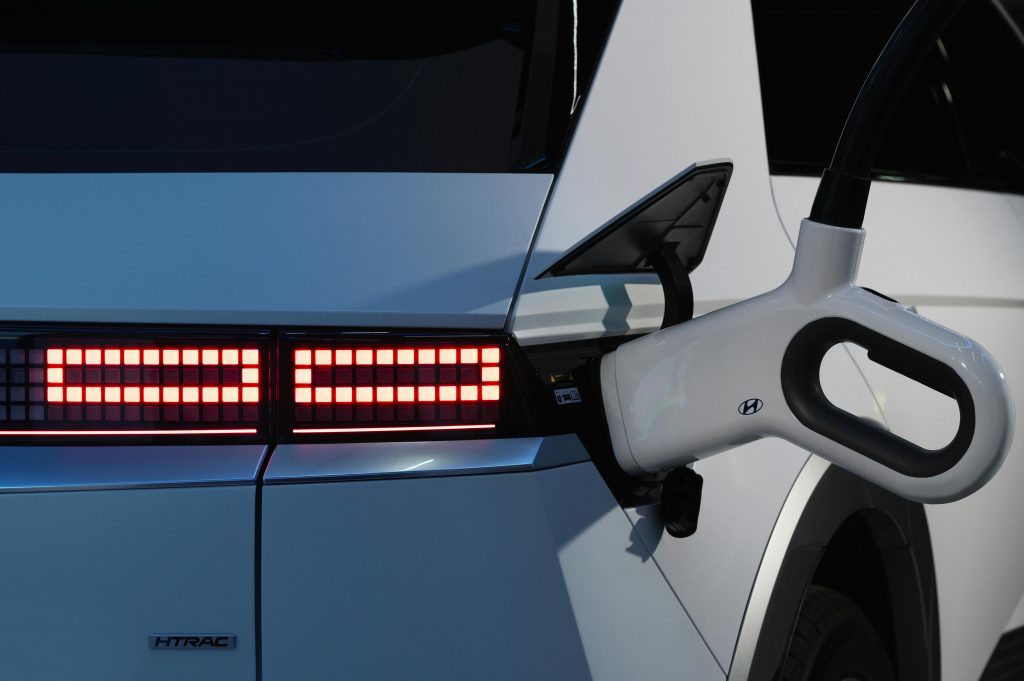
The battery is one of the most important parts of an electric vehicle.
EV batteries store and supply energy to power the vehicle.
Taking care of the battery properly can help:
- Improve driving range
- Maintain performance
- Extend battery lifespan
Avoid Constant Full Charging
Many experts recommend avoiding charging the battery to 100% every day unless necessary for long trips.
Frequent full charging may increase battery wear over time.
For daily driving, many EV owners keep batteries between:
- 20%
- 80%
This range often supports healthier long-term battery performance.
Avoid Frequently Draining the Battery Completely
Letting the battery reach extremely low levels regularly may also shorten battery life.
Try to recharge before the battery becomes critically low whenever possible.
Moderate charging habits help reduce long-term stress on the battery system.
Protect the Battery From Extreme Temperatures
Very hot or cold weather can affect EV battery performance.
Hot Weather Risks
Excessive heat may:
- Reduce battery efficiency
- Increase battery degradation
- Lower driving range
Cold Weather Effects
Cold temperatures may:
- Reduce temporary driving range
- Slow charging speeds
Helpful Battery Protection Tips
- Park in garages or shaded areas
- Use climate-controlled charging when possible
- Precondition the battery before driving in extreme temperatures
Battery temperature management helps improve overall performance.
Follow Manufacturer Maintenance Schedules
Every EV manufacturer provides maintenance guidelines.
Following the recommended schedule helps:
- Prevent problems
- Protect warranties
- Maintain safety
- Improve reliability
Maintenance schedules may include:
- Tire inspections
- Brake checks
- Software updates
- Battery inspections
- Coolant service
Reading the owner’s manual carefully is important for understanding your specific vehicle’s needs.
Rotate Tires Regularly
Tire maintenance is extremely important for electric vehicles.
EVs are often heavier than gasoline cars because of large battery packs.
This added weight can cause tires to wear faster.
Why Tire Rotation Matters
Regular tire rotations help:
- Extend tire life
- Improve traction
- Maintain even wear
- Improve efficiency
Most manufacturers recommend tire rotation every:
- 5,000 to 10,000 miles
Check your owner’s manual for exact recommendations.
Monitor Tire Pressure
Proper tire pressure affects:
- Safety
- Battery range
- Tire lifespan
- Driving comfort
Low tire pressure increases rolling resistance, which may reduce efficiency and driving range.
Helpful Tire Pressure Tips
- Check pressure monthly
- Inspect tires before long trips
- Follow manufacturer pressure recommendations
Many EVs also include tire pressure monitoring systems for additional safety.
Understand Regenerative Braking
Electric vehicles use regenerative braking systems to recover energy during braking.
This system helps recharge the battery slightly while slowing the car.
Benefits of Regenerative Braking
- Improved efficiency
- Reduced brake wear
- Longer brake life
Because EV brakes may be used less aggressively, brake pads often last longer than those in gasoline vehicles.
However, brake systems still need periodic inspection.
Inspect Brake Components
Even with regenerative braking, brake systems can still develop issues.
Moisture and lack of use may cause:
- Rust buildup
- Sticking components
- Uneven wear
Brake Maintenance Tips
- Schedule regular brake inspections
- Listen for unusual noises
- Address warning lights quickly
Brake safety should never be ignored.
Keep Charging Equipment in Good Condition
Charging equipment is essential for EV ownership.
Inspect charging cables regularly for:
- Fraying
- Cracks
- Loose connections
- Damage
Damaged charging equipment may create safety risks or charging problems.
Safe Charging Habits
- Avoid over-bending cables
- Keep connectors clean
- Protect equipment from water damage
Proper charger care supports safe and reliable charging.
Update Vehicle Software
Modern electric vehicles rely heavily on software systems.
Software updates may improve:
- Battery management
- Driving performance
- Navigation
- Safety systems
- Charging efficiency
Some EVs receive over-the-air updates automatically.
Others may require dealership visits.
Keeping software updated helps vehicles operate more efficiently and securely.
Maintain the Cooling System
Many EVs use liquid cooling systems to regulate battery temperature.
Battery cooling systems help prevent overheating during:
- Charging
- Fast driving
- Hot weather
Cooling System Maintenance May Include
- Coolant inspections
- Hose checks
- Leak inspections
Proper cooling system function protects battery health.
Keep the Vehicle Clean
Regular cleaning protects both appearance and long-term condition.
Dirt, road salt, and debris can damage:
- Paint
- Undercarriages
- Wheels
Helpful Cleaning Tips
- Wash regularly
- Remove road salt during winter
- Clean charging ports carefully
- Wax the vehicle periodically
A clean EV often maintains better resale value as well.
Pay Attention to Warning Lights
Dashboard warning lights should never be ignored.
Common EV warning systems may involve:
- Battery performance
- Charging systems
- Tire pressure
- Brakes
- Electrical systems
Addressing problems early usually prevents larger repairs later.
Drive Smoothly to Reduce Wear
Aggressive driving can increase wear on:
- Tires
- Suspension
- Battery systems
Smooth driving habits help:
- Improve range
- Reduce maintenance needs
- Increase comfort
Gentle acceleration and braking often support better long-term vehicle health.
Understand Battery Warranty Coverage
Most EV manufacturers provide battery warranties.
Battery warranties often cover:
- Battery defects
- Significant capacity loss
- Certain performance issues
Review warranty details carefully so you understand:
- Coverage limits
- Duration
- Service requirements
Proper maintenance may help protect warranty eligibility.
Prepare for Long-Term Battery Health
Battery degradation happens gradually over time.
However, good maintenance habits can slow the process.
Helpful Long-Term Battery Habits
- Avoid excessive fast charging
- Limit extreme temperatures
- Maintain moderate charge levels
- Drive regularly
Healthy battery habits improve long-term performance and resale value.
Be Careful With Fast Charging
Fast charging is convenient but frequent use may increase battery stress over time.
Occasional fast charging is generally safe, especially during travel.
However, daily reliance on fast charging may accelerate battery wear for some vehicles.
Home charging is often gentler on the battery system.
Learn Basic Emergency Procedures
Every EV owner should understand basic emergency information.
This may include:
- How to safely disconnect charging
- Emergency shutoff procedures
- Roadside assistance information
Being prepared helps improve safety during unexpected situations.
Understand EV Insurance Considerations
Electric vehicle repairs can sometimes be more expensive because of specialized parts and battery systems.
Learning how to handle insurance claims after accidents or battery-related damage is important for EV owners.
Helpful steps may include:
- Documenting damage carefully
- Taking photos immediately
- Reviewing EV-specific coverage
- Working with certified repair shops
Understanding insurance coverage ahead of time can reduce stress after accidents.
Maintain Windshield Wipers and Fluids
Even though EVs do not require oil changes, they still need basic maintenance.
Regularly inspect:
- Wiper blades
- Windshield washer fluid
- Cabin air filters
Simple maintenance helps improve comfort and visibility.
Replace Cabin Air Filters
Cabin air filters help clean the air inside the vehicle.
Dirty filters may reduce:
- Air quality
- HVAC performance
- Interior comfort
Most cabin air filters require replacement periodically depending on driving conditions.
Watch for Suspension Wear
Electric vehicles are heavier than many gasoline vehicles.
This extra weight may increase wear on:
- Suspension components
- Tires
- Wheel alignment
Signs of Suspension Problems
- Rough rides
- Uneven tire wear
- Pulling during driving
- Unusual noises
Regular inspections help identify problems early.
Store the Vehicle Properly
If storing the EV for long periods:
- Avoid leaving the battery fully charged
- Avoid leaving it completely empty
- Store in moderate temperatures when possible
Long-term storage recommendations vary by manufacturer.
Protect the Charging Port
Charging ports should remain:
- Clean
- Dry
- Free of debris
Damaged charging ports may interfere with safe charging.
Use protective covers if recommended by the manufacturer.
Keep Records of Maintenance
Maintenance records help:
- Track service history
- Protect warranties
- Improve resale value
Save receipts and service documentation whenever maintenance is performed.
Understand That EVs Still Need Professional Service
Although EVs require less maintenance overall, professional inspections remain important.
Certified technicians can inspect:
- High-voltage systems
- Battery condition
- Electrical components
- Safety systems
Professional service helps ensure long-term reliability.
Final Thoughts
Electric vehicles require less maintenance than traditional gas-powered cars, but they still need regular care to stay efficient, safe, and reliable. Proper battery management, tire maintenance, software updates, brake inspections, and charging equipment care all play important roles in long-term EV ownership.
Good maintenance habits help protect battery health, improve driving range, reduce repair costs, and extend vehicle lifespan. Simple actions such as monitoring tire pressure, avoiding extreme charging habits, and following manufacturer maintenance schedules can make a significant difference over time.
As electric vehicles continue growing in popularity, understanding proper EV maintenance helps owners enjoy smoother driving experiences while protecting the long-term value and performance of their vehicles.