Experiencing an auto accident can be overwhelming, even when no one is seriously injured. From dealing with damage assessments to managing insurance claims, the process can feel complicated and stressful. However, understanding how to navigate the aftermath strategically can make a significant difference in ensuring you receive all benefits available under your policy.
Being proactive, organized, and informed allows vehicle owners to minimize out-of-pocket expenses and avoid common pitfalls that reduce claim value. This guide will provide actionable tips and practical advice for every step after an accident, from documenting the scene to choosing repair services, working with insurance professionals, and protecting your vehicle for the future.
Knowing exactly what steps to take and when to take them reduces stress and increases the likelihood of a smooth resolution. By planning, you also protect your rights and ensure every eligible benefit is applied correctly. Being aware of potential pitfalls early on allows you to avoid unnecessary delays and maximize your insurance coverage efficiently.
Document the Scene Thoroughly
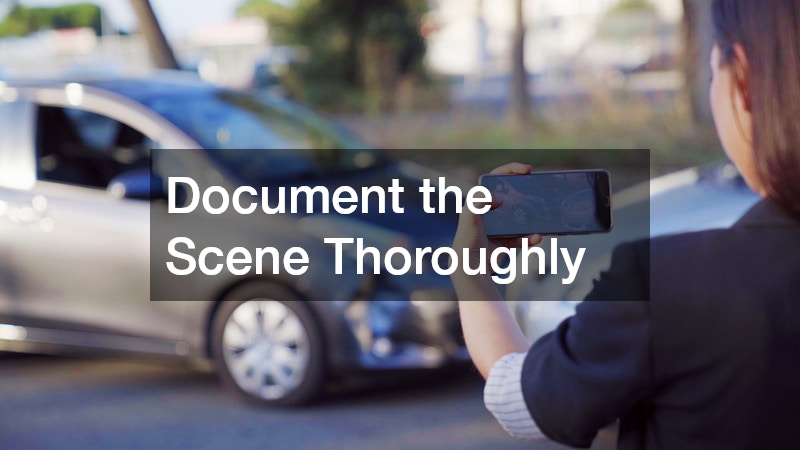
Capturing every detail of the accident immediately is critical for supporting your insurance claim. Take clear photos of all vehicles involved, including license plates, damage points, and any surrounding hazards. Videos of the scene, especially angles showing skid marks or traffic conditions, can provide further evidence for claim review.
Gathering witness contact information is equally important. Statements from those who saw the accident can clarify liability and support your narrative if disputes arise. Sharing these details with your insurance agent early ensures that all relevant evidence is considered.
Tips for effective documentation:
- Photograph both wide shots and close-ups of vehicle damage.
- Include street signs, traffic lights, and nearby road conditions.
- Record the exact date, time, and location, along with weather conditions.
Integrating these details ensures that your claim reflects an accurate account of the incident. Working with automobile insurance professionals at this stage can help identify which details are most valuable to your case. Insurance agents often have guidelines on the type of documentation that strengthens a claim. Keeping a consistent record from the very beginning allows you to reference events accurately if disputes arise.
Additionally, thorough documentation can help speed up claim approvals and reduce back-and-forth with insurance representatives. Being detailed and methodical in your approach builds credibility with your insurance provider and sets the stage for smoother claims processing.
Notify Your Insurance Provider Promptly
Time is a critical factor after an accident. Contact your insurance provider as soon as possible to report the incident and begin the claims process. Prompt notification prevents delays and helps maintain eligibility for certain benefits, including rental coverage or roadside assistance.
When communicating with your agent, be concise but thorough. Provide all relevant facts, including photos, witness statements, and preliminary repair estimates. This helps the insurer understand the scope of the accident and process your claim efficiently.
Practical tips for a smooth notification process:
- Keep a written record of all communications with your insurance agent.
- Ask specific questions about coverage, deductibles, and claim timelines.
- Clarify any additional benefits you might be entitled to, such as towing or temporary transportation.
By acting quickly, you reduce the risk of claim disputes and ensure your automobile insurance is leveraged to its fullest. Insurance agents can guide you through specific requirements, preventing missteps that might delay your payout.
Prompt reporting also establishes a paper trail that can support your claim if questions arise later. Staying ahead in communication helps maintain transparency and can even accelerate repairs and reimbursements. Following up consistently after your initial report keeps your claim active and helps avoid unnecessary delays in approval or payout.
Evaluate Repair Options Strategically
Choosing the right repair shop after an accident can affect both the quality of repairs and the speed of your insurance reimbursement. While dealerships often have certified technicians, local shops may provide competitive rates and faster service.
Consider the type of vehicle and accident when reviewing repair options. For larger vehicles or commercial trucks, specialized truck collision repair centers may have the equipment and expertise required for safe, long-lasting repairs.
Key steps to evaluate repair services:
- Request multiple estimates to compare pricing and repair timelines.
- Confirm that the shop uses quality truck products and OEM parts where necessary.
- Ask about warranty coverage for parts and labor to ensure future protection.
Selecting a repair shop strategically ensures that your vehicle is restored properly while maximizing insurance benefits. This is particularly important when coordinating with your insurance agent to approve estimates and verify repair standards.
Visiting the shop in person and discussing your vehicle’s needs directly with technicians can reveal hidden factors affecting repair quality. Additionally, comparing repair timelines helps prevent extended vehicle downtime, which could add unexpected costs. Verifying certifications and previous work examples from the repair facility can also provide peace of mind and ensure repairs meet high-quality standards.
Leverage Advanced Repair Technology
Modern repair facilities often use digital systems to streamline the repair and claims process. Auto repair shop software allows for accurate damage assessments, inventory management, and communication with insurance providers. Using shops with these tools can reduce delays and prevent errors in claim processing.
Technology also plays a role in more complex repairs. For example, collision repair software can map structural damage in trucks, ensuring that every affected component is addressed.
Practical ways to benefit from technology:
- Choose a repair shop that integrates digital inspections into the claims process.
- Request electronic estimates that can be shared directly with your insurance agent.
- Track repair progress through software updates to stay informed on timelines.
Incorporating advanced systems with traditional repair expertise, including truck collision repair capabilities, ensures accuracy and efficiency. It also gives you confidence that all aspects of your vehicle are properly assessed and repaired.
Using technology also allows for transparent communication with insurance agents, which can minimize misunderstandings. Additionally, detailed digital records can support future claims if further issues arise. Regularly reviewing these technology-driven updates can help you stay informed about unexpected repairs and ensure nothing is missed during the insurance process.
Protect Your Vehicle’s Appearance Long-Term
After repairs, maintaining your vehicle’s appearance is essential for preserving its value. Auto paint protection and ceramic coating are two popular ways to prevent fading, scratches, and corrosion. Both can extend the life of your finish and reduce future maintenance costs.
Ceramic coating, in particular, provides a durable protective layer that repels water, dirt, and UV rays, keeping your paint in pristine condition. Auto paint protection films, on the other hand, shield vulnerable areas from chips and scratches caused by road debris.
Tips for long-term appearance care:
- Wash your car regularly using gentle, pH-neutral products.
- Avoid parking under direct sunlight for extended periods to reduce fading.
- Schedule professional maintenance for coatings and paint protection films.
Investing in these protective measures complements your insurance claim by helping maintain the repaired vehicle’s condition. A well-protected car reduces the risk of cosmetic damage that might otherwise necessitate additional claims.
Maintaining your vehicle’s finish also helps retain resale value, which can impact your insurance premiums over time. Furthermore, a proactive approach to vehicle care demonstrates diligence that insurance agents often consider favorably during future claims. Combining paint protection and ceramic coating ensures your vehicle remains in top condition, giving you both practical and aesthetic benefits for years to come.
Understand Legal Considerations
Some accidents require consultation with a legal professional to safeguard your interests. An auto accident attorney can advise on liability, compensation, and navigating complex claims scenarios. This is especially important if injuries, serious property damage, or disputes arise.
A legal professional can also review your insurance policy to ensure your benefits are applied correctly and that your settlement reflects all eligible expenses. Understanding your rights early can prevent costly mistakes.
Tips for working with an attorney:
- Gather all accident documentation before consultation, including photos and repair estimates.
- Clearly outline your objectives, such as property restoration or compensation for medical costs.
- Maintain open communication with your insurance provider to coordinate coverage with legal guidance.
By combining legal expertise with automobile insurance knowledge, you can ensure a fair and comprehensive resolution. Attorneys and insurance agents together help maximize benefits while protecting your rights.
Consulting an attorney early can also help clarify complex liability issues that may arise from multi-vehicle accidents. They can advise on how best to approach negotiations to avoid claim disputes or delayed payouts. Understanding both legal and insurance perspectives can help you anticipate potential challenges and proactively address them before they affect your claim.
Optimize Vehicle Upgrades and Add-Ons
If your vehicle has aftermarket enhancements, documenting and protecting them is essential during the claims process. Car audio services, custom systems, and specialty truck products may be covered under certain insurance provisions if properly documented.
Maintaining a detailed inventory of upgrades helps your insurance provider assess their value accurately, avoiding disputes or partial reimbursements. Photos, receipts, and professional installation records are all critical pieces of evidence.
Steps to protect upgrades:
- Photograph each enhancement before and after repairs.
- Keep receipts and service records in a dedicated file.
- Notify your insurance agent of significant upgrades that may affect coverage.
Including these items in your claim ensures your investment is recognized and reimbursed appropriately. Proper documentation demonstrates the added value of your vehicle while safeguarding aftermarket enhancements.
Being proactive with upgrades also helps you verify whether specific add-ons, like custom audio or truck products, are included under your policy. This ensures that claims for enhancements are processed quickly and accurately. Communicating these details clearly with your insurance agent during the claims process reduces the chance of delays or disputes regarding aftermarket coverage.
Utilize Emergency and Ancillary Services
After an accident, emergency services like towing and roadside assistance can prevent further damage and reduce costs. Local towing services provide a quick response and transport your vehicle safely to a repair facility.
Using recommended services can also streamline insurance claims. Some policies require the use of approved vendors, and choosing these providers ensures your claim remains eligible for full coverage.
Practical tips for using these services:
- Keep contact information for trusted local towing service providers readily available.
- Document the condition of your vehicle before towing.
- Confirm that towing and storage charges are covered by your insurance plan.
Integrating these services with digital repair management systems, such as auto repair shop software, ensures accurate communication between your service providers and insurance agent. This reduces delays and avoids unnecessary out-of-pocket expenses.
Additionally, utilizing approved emergency services can prevent disputes about covered costs, reducing the stress of post-accident logistics. It also reinforces your claim with your insurance provider, showing responsible and proactive management. Having a plan in place for emergency situations ensures you can act quickly and maintain the integrity of your claim from the very start.
Maximize Claim Outcomes

Negotiating the best possible settlement requires a proactive and organized approach. Work closely with your insurance agent to review your policy limits, coverage options, and potential additional benefits. Knowing exactly what is included can prevent overlooked expenses.
Prepare for discussions by compiling all supporting documentation: repair estimates, photos, receipts, and upgrade inventories. Presenting a thorough, organized case improves your negotiating position and increases the likelihood of a full claim settlement.
Strategies to enhance claim outcomes:
- Communicate clearly and consistently with your insurance agent throughout the process.
- Ask for itemized explanations of coverage denials or adjustments.
- Maintain detailed records of all conversations and correspondence.
By combining careful documentation with strategic negotiation, you can maximize your automobile insurance benefits. Partnering with insurance agents who understand the claims process ensures that nothing is missed and all eligible benefits are applied.
Being informed about policy specifics allows you to contest any partial denials or overlooked coverage items. This proactive approach often leads to a faster and more comprehensive claims resolution. Maintaining a confident, organized approach during negotiations demonstrates professionalism and can positively influence the speed and fairness of the settlement.
Maximizing automobile insurance benefits after an accident requires preparation, attention to detail, and strategic action. From documenting the scene and promptly notifying your provider to selecting repair shops, leveraging technology, and protecting vehicle enhancements, each step plays a critical role in safeguarding your finances and vehicle value.
Proactive communication with insurance agents, understanding legal considerations, and using emergency services effectively can reduce stress and ensure a smoother claims process. Vehicle owners who approach claims thoughtfully are better positioned to receive comprehensive coverage and protect their long-term investment. By following these actionable strategies, you can navigate the aftermath of an accident confidently and make the most of your insurance benefits.
Remaining organized, informed, and proactive ensures not only smoother claims but also long-term protection for your vehicle and financial well-being. Applying these steps consistently sets a foundation for better outcomes in any future accidents or repairs. Taking small, deliberate steps at every stage after a collision helps you safeguard your interests and maintain peace of mind throughout the insurance process.